
Distinctly restrained, Urban Habitats’ St Peters residence resists overt gestures in favour of something more enduring: an architecture that combines calibration and care
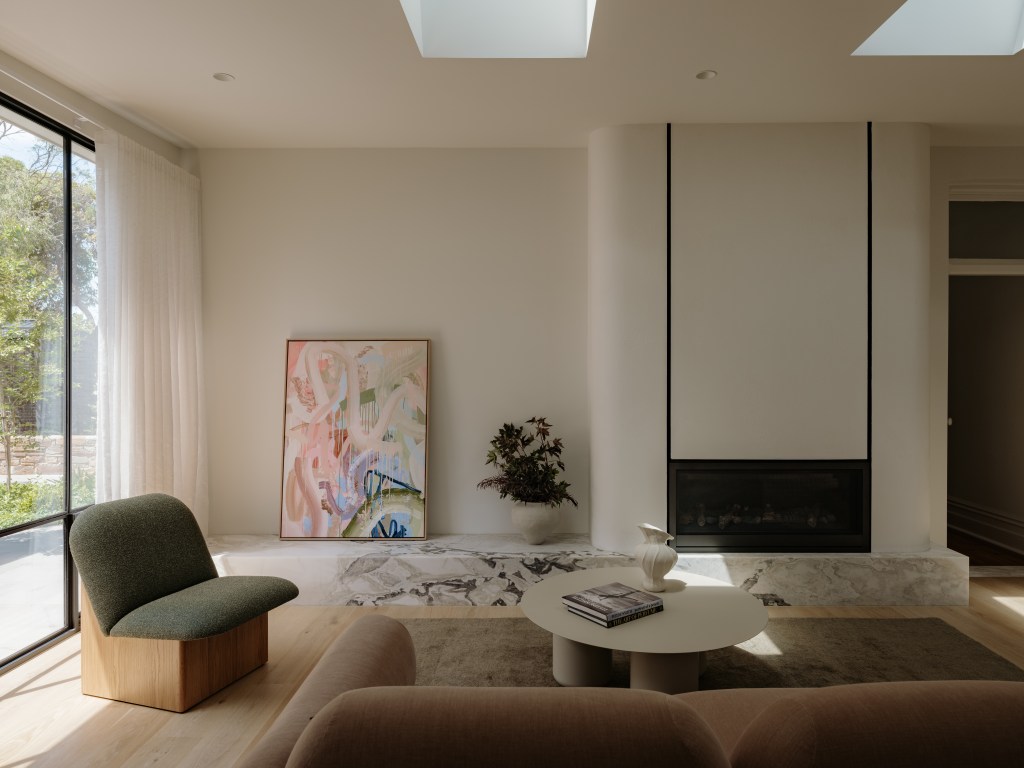
For homeowner Marcia, the brief began not with form, but with feeling. “The priority was to change how I felt about where I was living,” she says. “A space that would lift my mood, not drag it down.” The existing living areas were compressed and disconnected from the garden and retained little of the clarity or generosity she sought. What followed, under the guidance of Urban Habitats’ Architect and Design Manager Sarah Stephen and Construction Manager Fraser Evans, was not necessarily a departure from the existing house, but a considered reworking of its parts that became an exercise in editing and reconfiguring, rather than addition.
Central to the project is the reclaiming of a 1970s extension that (like many additions to heritage homes) felt additive and as though it was an after-thought. Although it was once unresolved and underperforming, through a careful reworking, it is recast here as a series of composed, light-filled spaces. “It’s a great example of repurposing,” Fraser reflects, “giving something a new energy and injection of life.” The decision to retain and revise the existing footprint becomes both a constraint and a driver, anchoring the project in its surrounding context while allowing for a more sustainable, and time-wearing transformation.
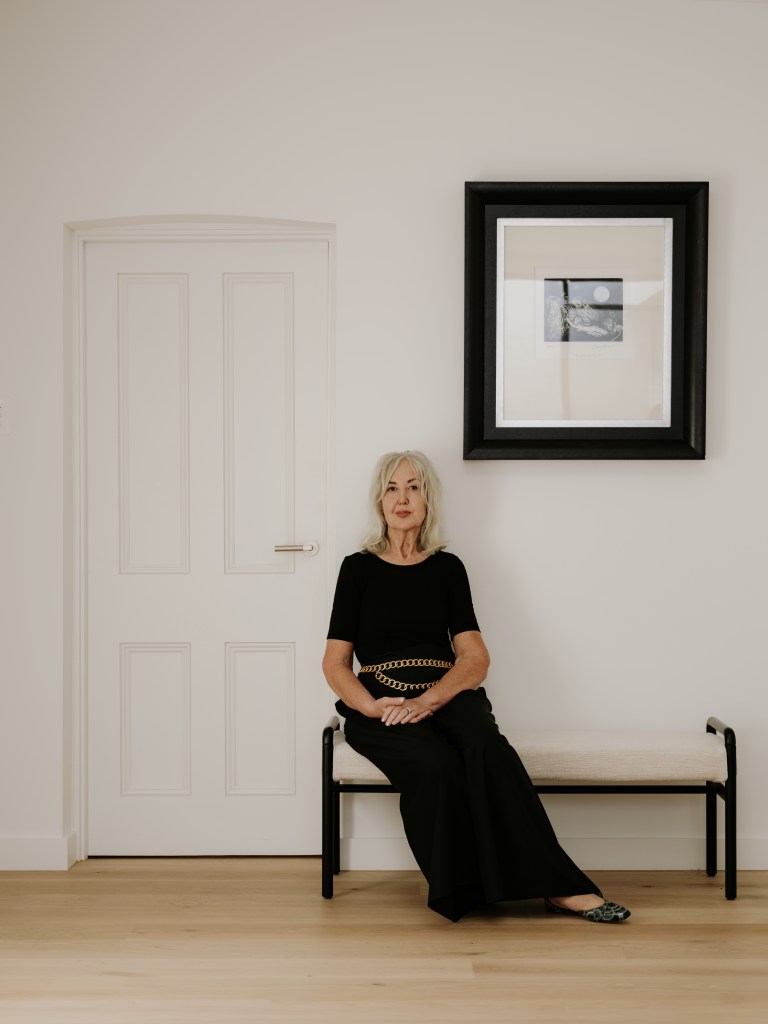
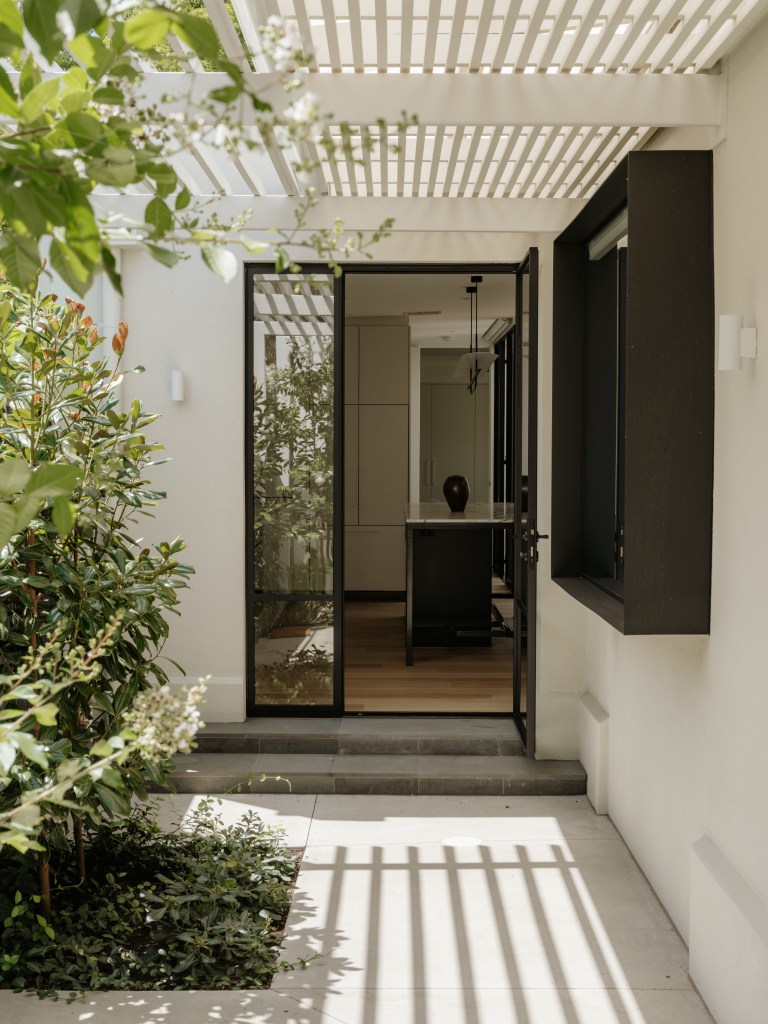
The dialogue between the original villa and its later addition is handled with a measured lightness also. Rather than compete, the new work clarifies and opens up clear lines of sight, framing views and establishing a clearly legible connection between old and new. “It was about interconnecting the two,” Sarah explains, “and creating a better relationship between the historical fabric and the addition.” Steel-framed glazing and carefully inserted skylights act as quiet instruments of this weaving, drawing light deep into the plan and softening the thresholds between spaces.
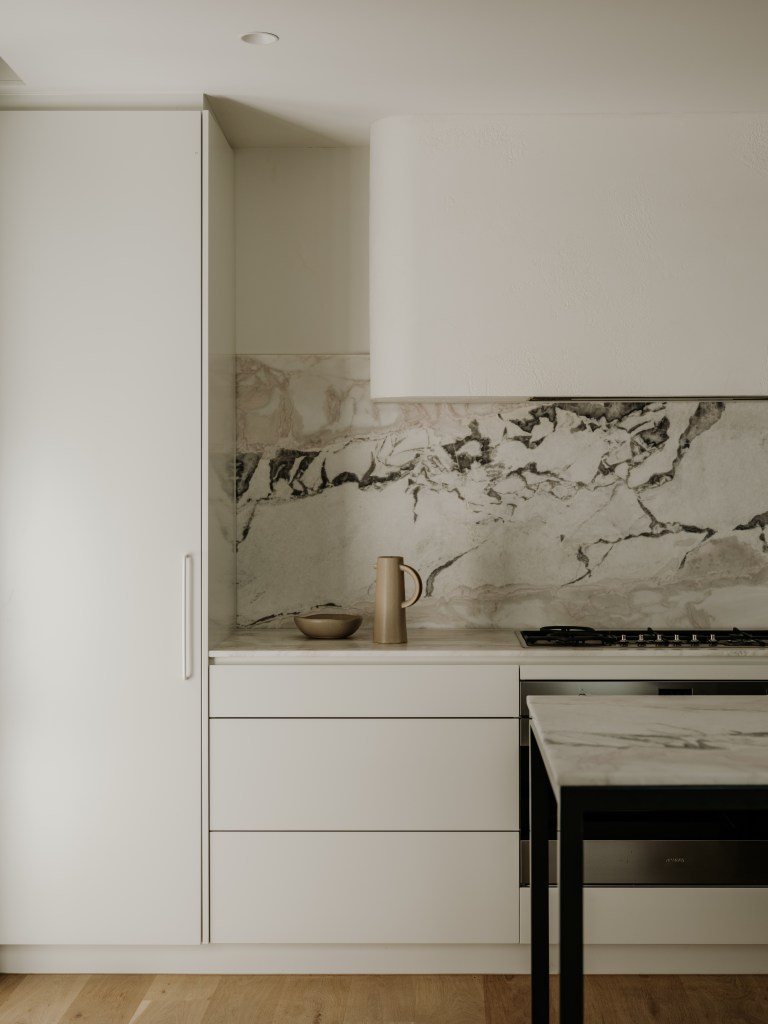
Materially, the project is deliberately restrained with a palette of natural stone, timber and muted, calming tones that rely more on texture than contrast to create a quiet richness. In avoiding a more decorative approach, it allows light, rather than material, to become the primary agent of discovery. “Marcia wanted a sanctuary and calming space,” describes Sarah, “where she is able to connect with nature and incorporate a retreat-like bathroom where they could soak in peace.” Seen in how the design negotiates the limitations of the existing structure, utilising elements such as low ceilings (often a constraint) instead help create compression and emphasise intimacy, opening up through the integration skylights that then vertically expand and offer a balanced sense of relief.
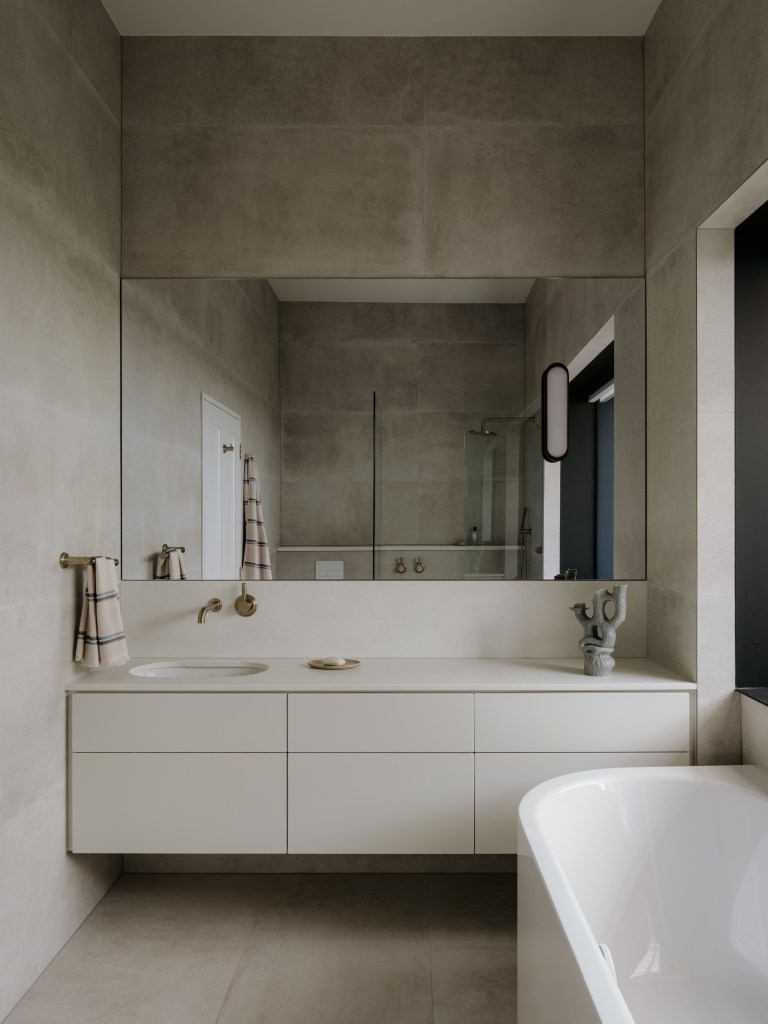
Each gesture then culminates within the primary suite with a skylight positioned above the shower, transforming an everyday ritual into something more atmospheric. “The moon shining through at night – it has its own magic,” Marcia notes, further emphasising how the project prioritises experience and an engagement with the natural elements, over excess and scale. What emerges is a home that is both composed and deeply personal. Marcia speaks of wanting a sanctuary that is both a reset and is deeply connected to landscape. Urban Habitats’ response is subtle but assured: a sequence of rooms that balance openness with intimacy, and function with feeling.
“Humble spaces and careful material selection were key,” Fraser says. Details such as the natural stone fi replace and the retention of exposed rafters (now insulated for performance) are resolved with precision and given a new chapter, but are never over-articulated, or overworked. The architecture then is able to hold itself quietly. Marcia’s role within this process was one of trust, with Sarah saying, “It’s important that we ask the right questions, and work collaboratively to find the best outcome.” It is a process that resists prescription, instead allowing the project to emerge through dialogue.
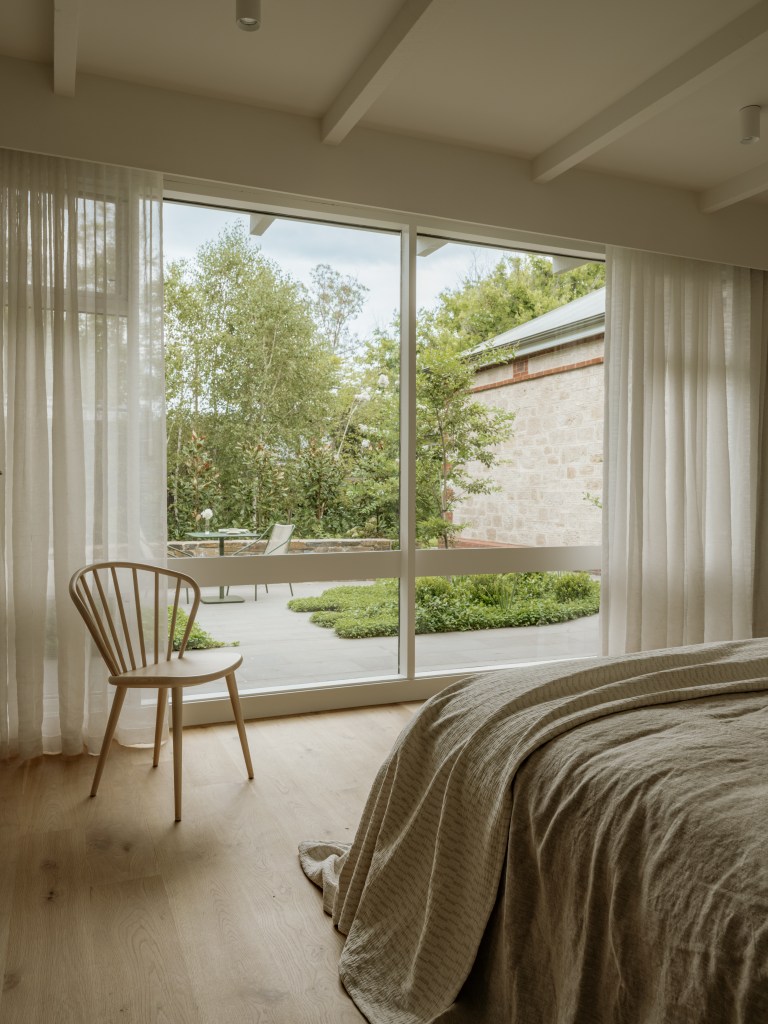
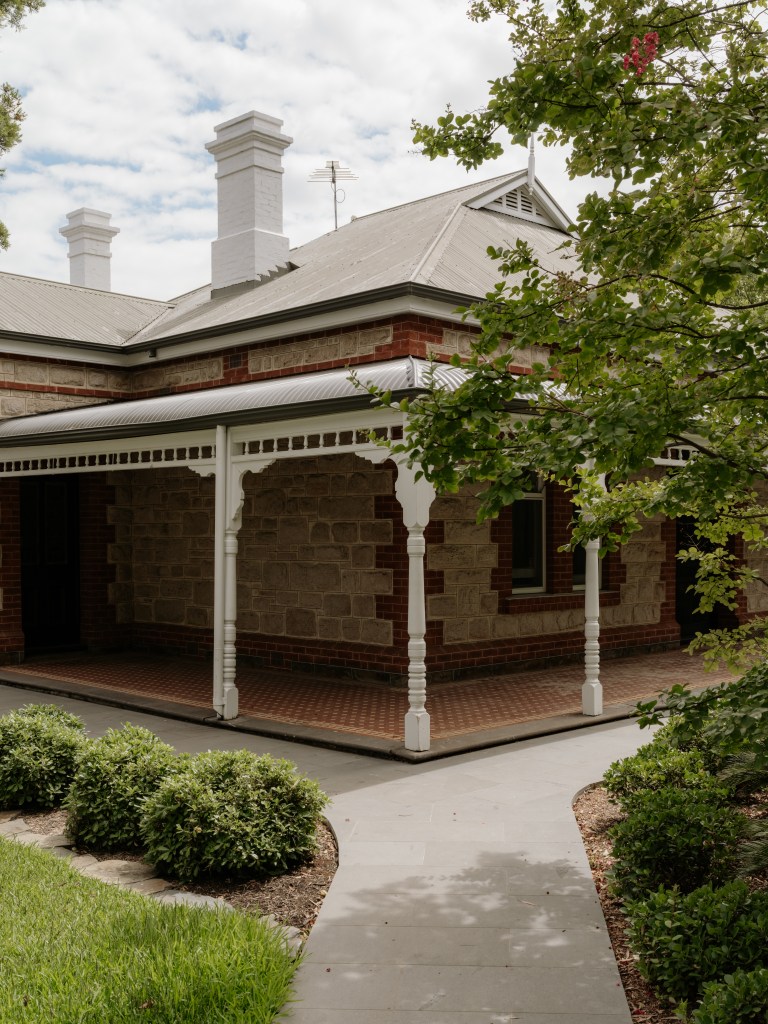
In this St Peters residence, transformation is not driven by scale, but by the less overt and obvious elements. It’s instead summed up by feeling. In reworking the heritage home, it becomes both a reflection of its latest custodian and how they live, while also demonstrating the value of working with what exists, and of understanding that sometimes, the most meaningful shift lies not in what is added, but in what is revealed subtly.
Words | Bronwyn Marshall Photography | Christopher Morrison
Styling | Maz Mis Building Designer | Urban Habitats
Interior Designer | Urban Habitats Builder | Urban Habitats
Landscape Design | Lee Gray Landscape Design Location | St Peters
Urban Habitats
96 King William Rd, Goodwood SA 5034

