
The State Theatre Company South Australia Artistic Associate and Assistant Director of The Dictionary of Lost Words opens up
Rehearsal Photos by Matt Byrne // Production photos by Prudence Upton
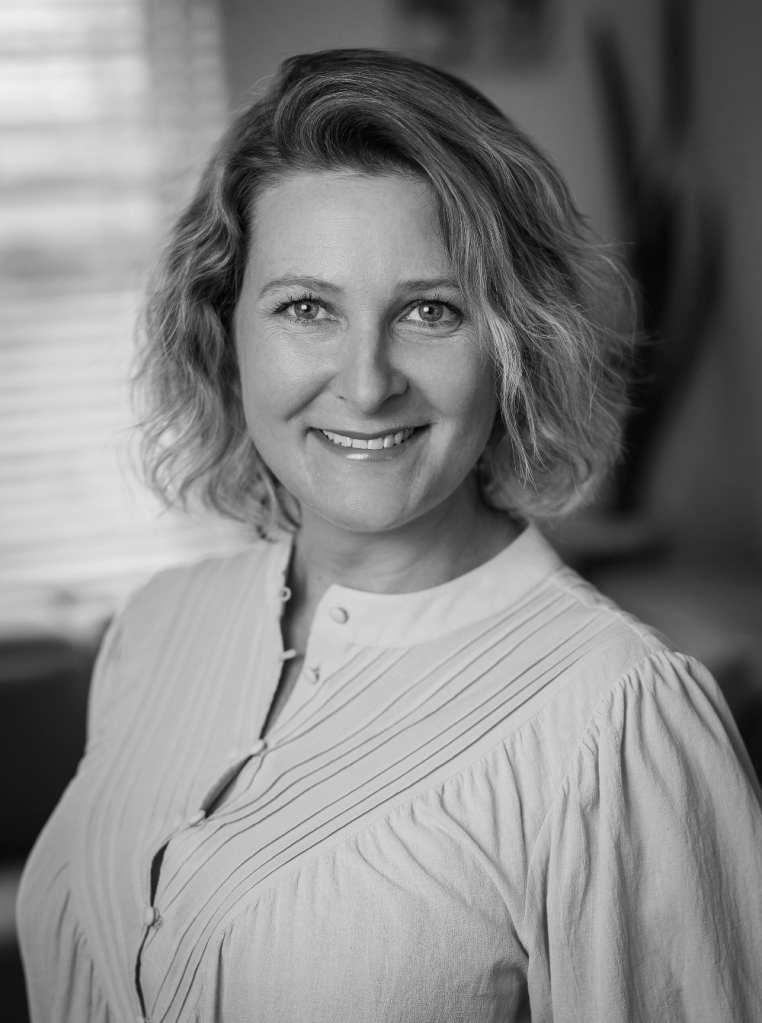

Shannon Rush is the Assistant Director for the latest season of State Theatre Company South Australia’s The Dictionary of Lost Words. Here, the Artistic Associate reveals what’s changed since the play’s 2023 record breaking debut, what it’s like to work alongside a team of talented women and the word she wishes was never lost.
What drew you to working on The Dictionary of Lost Words?
The Dictionary of Lost Words is an epic tale – a very engaging and important story which blends fact and fiction and spans some very significant moments in history, including the Women’s Suffrage Movement. One of the core themes is empowerment, and with a team of strong, talented women making the production (Pip Williams, Verity Laughton, Jessica Arthur, amongst others), I was drawn to this project immediately. Being surrounded by creatives of this calibre who I can collaborate with and learn from is so inspiring.
What is your role as Assistant Director?
I’m there to support the director in any way I can to help the team realise the vision for the piece. It can be quite a varied role – some of my tasks include historical research and fact checking, communicating proposed script changes and edits to the team, running split rehearsal rooms with the director to maximise time, running lines with actors, cross-referencing specific moments against our archival recordings to ensure accuracy and feeding ideas or offers to the team where appropriate.
This is the second season of The Dictionary of Lost Words at the Dunstan Playhouse. What is different this time around?
This production has seven new actors and just one original cast member. With a new group of brains examining the text and developing characters comes a great vibrant energy. It’s so fascinating to see how different actors interpret the work and bring a fresh perspective to the play and their role within it. The script has also undergone some development – a few edits and tweaks – which has tightened the production, benefitting the overall rhythm. I absolutely encourage people to come again even if they saw it the first time.
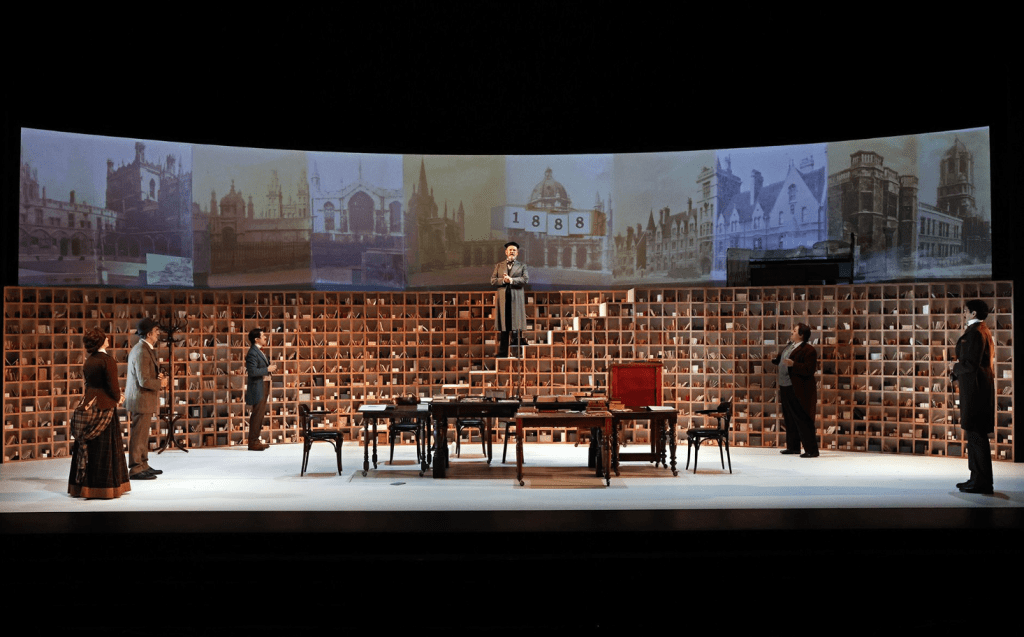

The Dictionary of Lost Words has been lovingly adapted by Verity Laughton from Pip Williams’ bestselling novel. How does working on this type of play differ from a new production?
With an existing novel, the story is tried and tested and you know it works. You don’t deviate from that story, but rather go through a process of determining how best to bring it to life in a new form. However, when you’re working on a brand-new work, the interrogation and testing of the narrative takes place while you’re rehearsing and performing the play – there’s more unknown.
Both new work and adaptation hold a high-risk factor. With adaptation, the audience arrives with a set of expectations – can we meet and exceed them? With a new work, there are fewer audience expectations, but you have a high amount of uncertainty about how the production will land. It’s nerve-wracking that’s for sure! Thankfully, in the case of The Dictionary of Lost Words, the adaptation has been so beautifully written by [playwright] Verity [Laughton] and so excellently realised by [director] Jess [Arthur] that audiences so far have loved it.
The play contains a number of lost words, mostly relating to the lives of women. What lost word from the play most resonates with you?
Great question… There are many of them! My favourite is ‘morbs’. This word is introduced by Mabel, a wood-carver who sells her wares at the market and has had a tough life. Mabel describes ‘morbs’ as a sadness that comes and goes, deriving from grief – the grief of what we’ve lost, never had and never will. “It’s a woman’s lot”, she says. I think we’ve all felt that at some point in our lives. This word arrives at a point in the play that’s particularly poignant and makes me emotional every single time.
The Dictionary of Lost Words is on now at the Dunstan Playhouse until April 17. You can purchase your tickets here.
 South Australian Style Magazine