
From the coastline and ponds to pools and hot springs, South Australia is brimming with refreshing swimming spots. So, pack your swimsuit – here are five places around the state to take a dip.
1. Whalers Way Rock Pools
Location: South of Port Lincoln
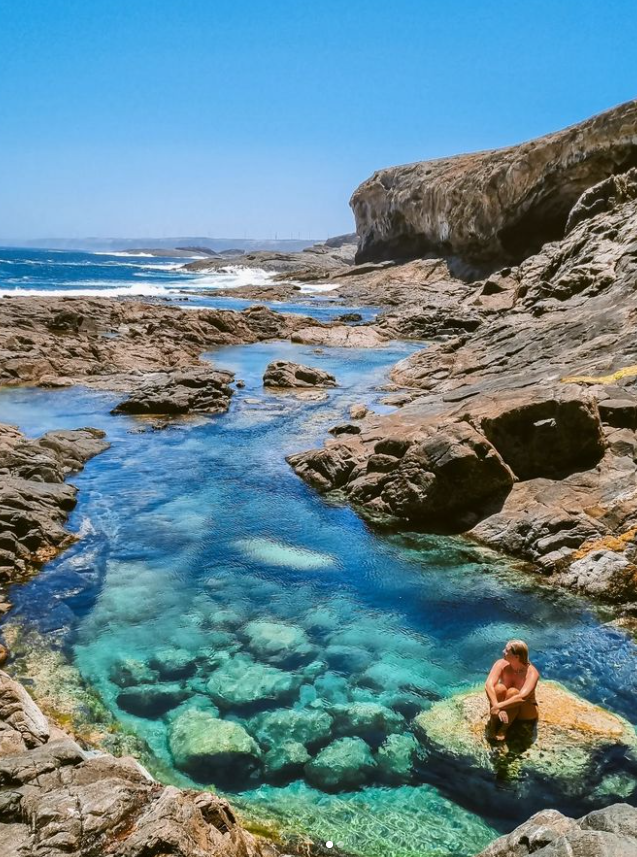

A haven for Instagrammers, this destination offers a 14km scenic coastal drive along Whalers Way, where rock pools, caves, and hidden beaches unfold along the rugged coastline. While the main swimming hole is accessible via a ladder and well-marked, caution is advised, as some beaches can be wild and unsafe even on calm days.
2. Pool of Siloam
Location: Beachport, Limestone Coast


Nestled close to the sea in the state’s southeast, the Pool of Siloam is believed to be seven times saltier than the sea, resulting in extremely buoyant water. Many believe in the therapeutic benefits of its waters, offering relief for ailments such as arthritis.
3. Port Noarlunga Beach
Location: Port Noarlunga


If you’re not travelling far over the long weekend, Port Noarlunga Beach is a little closer to the city. A surfing and body-boarding hotspot, this popular seaside village is perfect for anyone up for adventures on the water – think kayaking, snorkeling, diving and fishing. The red sandstone beach cliffs, long jetty and reef make it one of the iconic diving destinations in the state.
4. Ewens Ponds Conservation Park/Piccaninnie Ponds Conservation Park
Location: About 30km south of Mount Gambier
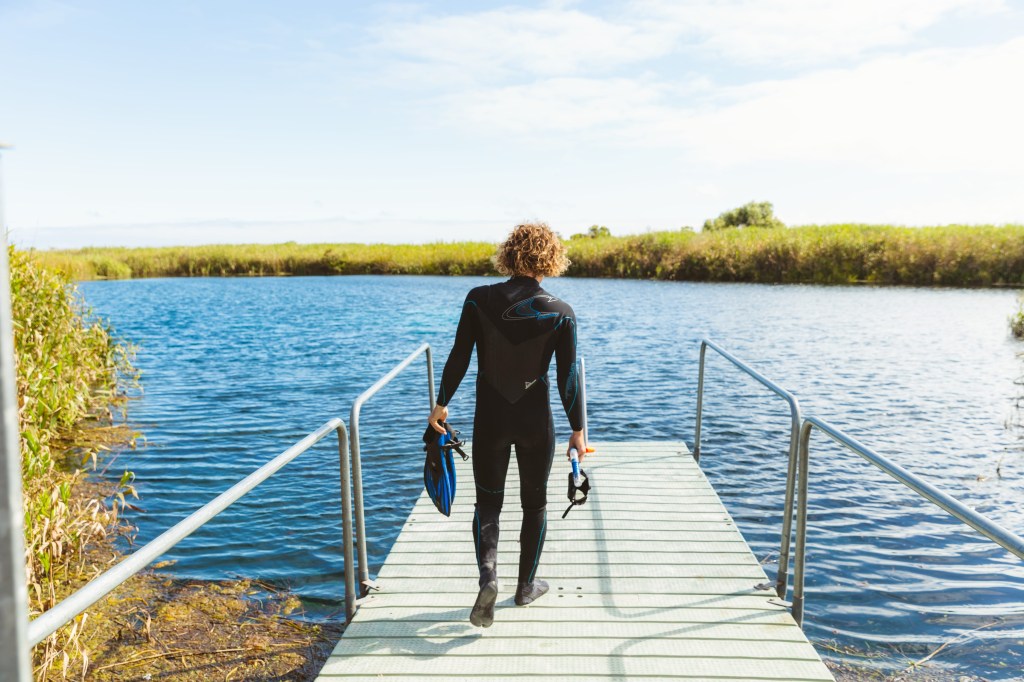

Grab your snorkel and a thick wetsuit for a venture into these freshwater paradises. Ewens Ponds features three 10m-deep basin-shaped ponds connected by channels, allowing for a mesmerising swim through crystal clear waters. Piccaninnie Ponds offers underwater views of limestone caves and chasms, spanning more than 110 metres deep. Remember: permits are required for snorkelling or diving at Piccaninnie Ponds.
5. Edithburgh Tidal Pool
Location: Yorke Peninsula

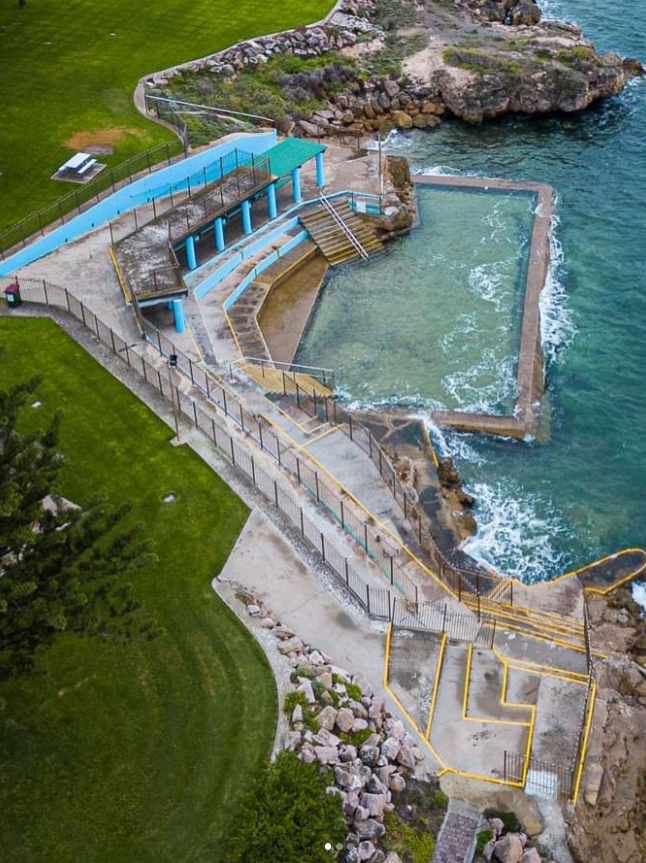
Refreshed with each high tide, this beachside swimming pool, one of only two in South Australia, holds historical charm. Originating in the 1800s on the southern side of the jetty, it was initially reserved for women due to the prevailing norms of segregated bathing. Subsequently, a separate pool for men was constructed, and today, it stands as a testament to the region’s aquatic heritage.
 South Australian Style Magazine